

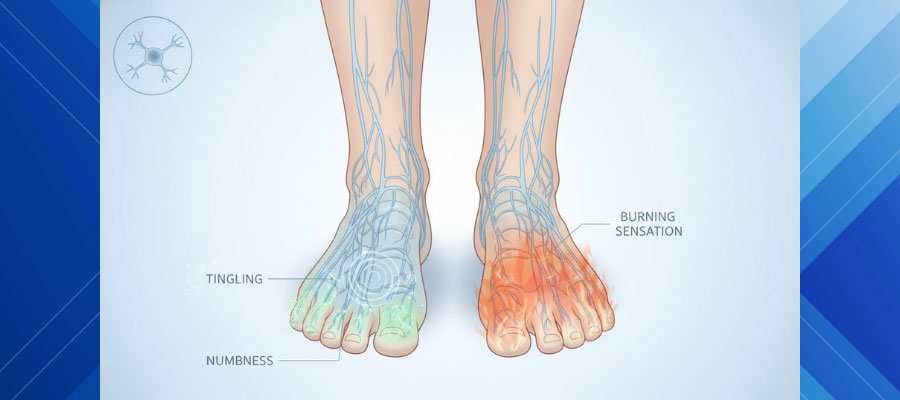
If you’re waking up at 2 AM with burning feet, you’re not alone. And what your doctor might not have told you could change everything. Here at OC Integrative Health, we see this story all too often.
Sarah was 58 when she first felt it—a small tingling in her big toe. She didn’t think much of it. Just one of those random things, right? Three months later, she couldn’t sleep through the night. Her feet felt like they were on fire. Wearing socks felt painful. Walking to the mailbox left her exhausted.
She went to her doctor, got some tests done, and heard the word that would dominate the next chapter of her life: neuropathy.
“You’ll have to learn to manage it,” her doctor said. “Here, try this medication.”
But Sarah didn’t want to manage pain. She wanted to fix it. And she certainly didn’t want to spend the next 20 years of her life taking pills that didn’t really work and slowly losing her independence.
Sound familiar?
If you’re reading this, there’s a good chance you’re in Sarah’s shoes. Or maybe you’re supporting someone who is. And if that’s the case, you need to understand something critical: What you’ve been told about neuropathy might only be half the story.
What Exactly Is Neuropathy?
Let’s start with the basics, because understanding the problem is the first step toward solving it.
Neuropathy (or peripheral neuropathy) is damage to your peripheral nerves—the network of nerves that extends from your brain and spinal cord to the rest of your body. These nerves are responsible for transmitting signals about touch, temperature, and pain from your extremities back to your brain.
When these nerves are damaged or diseased, communication breaks down. Your feet might feel like they’re on fire even though nothing is touching them. Your hands might tingle as if they’ve fallen asleep, but they haven’t. You might lose the ability to feel where your feet are in space, making walking treacherous.
It’s not in your head. Your nervous system is literally misfiring.
The Three Types You Should Know About
- Peripheral Neuropathy This is the most common type. It affects the nerves in your feet, legs, hands, and arms. This is probably what you’re dealing with if you’re experiencing the burning feet, numbness, or tingling.
- Autonomic Neuropathy This affects the nerves that control involuntary functions—your heart rate, blood pressure, digestion, and body temperature. It’s often overlooked and can be the most dangerous type.
- Proximal Neuropathy This affects the nerves in your hips, buttocks, and thighs. It typically causes sudden, severe pain and weakness in these areas.
The Culprits: What Actually Causes Neuropathy
Here’s where things get interesting—and where your doctor might be incomplete in their explanation.
The most common cause is diabetes. High blood sugar damages nerves over time. If you have diabetes, your risk is significant.
But diabetes isn’t the only cause. In fact, 30-40% of neuropathy cases don’t have a clear cause—and that’s a huge problem because if you don’t know what’s causing it, how can you treat it?
Other causes include:
- Infections: Lyme disease, shingles, HIV, hepatitis C
- Toxin exposure: Chemotherapy, alcohol abuse, pesticides, heavy metals
- Nutritional deficiencies: B12, folate, vitamin E (and doctors frequently miss this)
- Autoimmune disorders: Lupus, rheumatoid arthritis, Sjögren’s syndrome
- Medications: Certain antibiotics, antiretrovirals, statins (yes, your cholesterol medication might be causing this)
- Injuries or pressure: Carpal tunnel syndrome, sciatica, compression injuries
- Thyroid problems: Both hyperthyroidism and hypothyroidism can cause nerve damage
- Hereditary disorders: Some people are genetically predisposed
The critical thing your doctor might not be doing: asking the right questions to narrow down the cause.
Many doctors see neuropathy as a diagnosis, not a symptom of something else. But that’s like treating a fever without finding the infection that’s causing it. You’re addressing the symptom, not the problem.
Recognizing Real Symptoms
One of the most frustrating things about neuropathy is that people often don’t understand it. They see you standing around, and they think “You look fine.” They don’t see the pain you’re in.
Here are the real symptoms people experience:
In Your Feet (Most Common)
- Burning sensation, especially at night
- Numbness or reduced sensation
- Sharp, shooting pains
- Tingling or “pins and needles”
- Difficulty walking or balance problems
- Feeling like you’re walking on cotton
- Temperature sensitivity (can’t tell if water is hot or cold)
In Your Hands
- Weakness when gripping or holding things
- Difficulty with fine motor tasks (buttoning, texting, writing)
- Numbness making it hard to feel objects
- Pain or burning when touching things
- Loss of coordination
Systemic Symptoms
- Extreme fatigue (your nervous system is working overtime)
- Sleep disruption (pain keeps you awake)
- Muscle weakness or atrophy
- Difficulty with balance and coordination
- In autonomic neuropathy: dizziness, heart palpitations, digestive issues
The Emotional/Lifestyle Impact
- Anxiety about getting worse
- Depression from lost independence
- Social isolation (can’t do activities you love)
- Fear about the future
- Frustration with the medical system
And here’s the thing nobody tells you: the emotional toll might be bigger than the physical pain.
The Standard Approach (And Why It’s Failing)
If you’ve been to a doctor with neuropathy, here’s probably what happened:
- They ran some tests (maybe)
- They diagnosed you
- They prescribed medication
- They told you to “manage it”
- You left with more questions than answers
The medications they typically prescribe:
- Gabapentin (Neurontin) – Works for some people, but many find it doesn’t help much and has side effects like dizziness and fatigue.
- Pregabalin (Lyrica) – Similar to gabapentin, better for some people, but still not a cure. And it can cause weight gain and brain fog.
- Tricyclic antidepressants – Amitriptyline or nortriptyline. They can help with pain, but side effects include dry mouth, constipation, and dizziness.
- NSAIDs – Over-the-counter or prescription anti-inflammatories. They might help with mild pain but don’t address the nerve damage.
- Topical creams – Capsaicin or lidocaine patches. They provide temporary relief for some people.
Here’s the brutal truth: These medications manage symptoms. They don’t fix the underlying nerve damage. Many people take them for years and never get better—they just get used to the background pain.
And if you’re like most people with neuropathy, you’re desperate enough to try anything.
What Your Doctor Might Be Missing
After working with hundreds of neuropathy sufferers, certain patterns emerge. Patterns that most doctors never mention because they’re not trained in this area.
1. Nutritional Deficiencies Are Rampant and Often Undiagnosed
Many people with neuropathy have vitamin B12 deficiency, but their doctor only checks once and moves on. B12 levels fluctuate. Some people have genetic issues that prevent them from absorbing B12 properly, no matter how much they take orally.
Folate deficiency, vitamin E deficiency, and other nutritional gaps can all contribute to or worsen neuropathy. But most doctors don’t do comprehensive nutritional testing.
The gap: Your doctor might order a basic B12 test, see it’s “normal,” and move on. But the “normal” range is wide, and what’s normal for one person might be insufficient for another. Plus, your body’s ability to use B12 (methylation) is a different issue entirely.
2. Inflammation Is The Root—Not Just A Symptom
Neuropathy isn’t just about damaged nerves. It’s about chronic inflammation attacking those nerves. But most treatment approaches ignore this fundamental driver.
When you address the inflammation directly—through dietary changes, specific supplements, and lifestyle modifications—the nerve can actually begin to heal.
The gap: Your doctor treats pain. They don’t address the inflammatory cascade that’s causing the damage.
3. Blood Sugar Stability Matters Even If You Don’t Have Diabetes
You don’t have to be diabetic to have blood sugar dysregulation. Many people with neuropathy have pre-diabetic blood sugar patterns that go undetected.
Blood sugar spikes create inflammation, which damages nerves. If you’re constantly riding a blood sugar rollercoaster, you’re constantly triggering nerve damage.
The gap: Your doctor might not have tested your fasting glucose, insulin levels, or hemoglobin A1C. And even if they did, they might not have explained how this relates to your neuropathy.
4. Gut Health Is Connected To Nerve Health
This sounds crazy, but stay with me. Your gut bacteria produce compounds that protect your nerves. They help regulate inflammation. They help you absorb nutrients.
When your gut microbiome is damaged (from antibiotics, poor diet, stress), your nerve health suffers.
The gap: Your doctor never asked about your digestion, your gut health, or whether you’ve taken multiple courses of antibiotics.
5. Circulation Matters More Than You Think
Damaged nerves need good blood flow to heal. But many people with neuropathy have compromised circulation—sometimes from diabetes, sometimes from other causes.
Without addressing circulation, nerve regeneration is nearly impossible.
The gap: Your doctor might not have assessed your circulation or recommended strategies to improve blood flow to your extremities.
6. Toxin Exposure Is Often Overlooked
Heavy metals, pesticides, mold toxins—these can all damage nerves. But your doctor probably never asked about your environment or occupational history in detail.
The gap: Toxin exposure is rarely investigated unless you specifically ask.
The Path Forward: What Actually Works
Here’s what we’ve discovered from working with people who’ve successfully managed and reversed their neuropathy:
1. Identify The Root Cause
Before anything else, you need to know what’s causing your neuropathy. This might require:
- Comprehensive nutritional testing (B12, folate, B6, vitamin D, vitamin E)
- Advanced blood sugar testing (fasting glucose, insulin, hemoglobin A1C, glucose tolerance test)
- Comprehensive metabolic panel
- Thyroid panel (including antibodies)
- Inflammation markers (CRP, ESR)
- Testing for infections (Lyme, Epstein-Barr, others)
- Toxin exposure assessment
- Medication review (is something you’re taking causing this?)
This investigation takes time and often requires a practitioner who thinks differently than a standard doctor.
2. Address Inflammation Systematically
Once you understand what’s happening, you can target the inflammation driving the nerve damage:
- Dietary changes: An anti-inflammatory diet is foundational. For many people, this means reducing refined carbs, sugar, and processed foods.
- Specific supplements: Omega-3s, curcumin, alpha-lipoic acid, and others have research showing they reduce neuropathic pain and support nerve repair.
- Lifestyle modifications: Sleep, stress management, and gentle movement all reduce inflammation.
3. Optimize Nutritional Status
Get your vitamins and minerals to optimal levels—not just “normal” range:
- B12: Many people need methylcobalamin supplementation, not just cyanocobalamin
- B6, B1, folate: All essential for nerve health
- Magnesium: Critical for nerve function and often deficient
- Vitamin D: Low levels are associated with worse neuropathy outcomes
- Alpha-lipoic acid: This antioxidant specifically helps with nerve pain and blood sugar control
4. Support Nerve Regeneration
Your nerves can actually repair themselves—but they need the right conditions:
- Adequate protein: Your nerves are made of protein
- Specific amino acids: Acetyl-L-carnitine, L-arginine, L-citrulline
- Growth factors: Certain supplements support nerve growth factor production
- Exercise: Particularly resistance training and balance work
5. Stabilize Blood Sugar
Whether or not you have diabetes, stable blood sugar is essential:
- Eat protein, fat, and fiber with every meal
- Avoid refined carbs and sugar
- Consider lower-carb approaches for some people
- Test your response to different foods
6. Improve Circulation
Get blood flowing to your extremities:
- Exercise: Walking, dancing, any movement helps
- Massage or manual therapy: Stimulates circulation
- Heat therapy: Carefully applied (be cautious with numbness)
- Supplements that support circulation: Ginkgo, hawthorn, ginger
- Postural drainage: Elevating your feet to encourage blood return
7. Heal Your Gut
A healthy gut supports nerve health:
- Eliminate foods that damage your gut (often processed foods, excess sugar, certain oils)
- Add in foods that support gut healing (bone broth, fermented foods, plenty of vegetables)
- Consider targeted supplementation (L-glutamine, zinc carnosine, omega-3s)
- Address dysbiosis if it exists
8. Support Your Nervous System
Chronic pain puts your nervous system in a state of hypervigilance. You need to calm it down:
- Stress management: Meditation, breathing exercises, yoga
- Sleep optimization: Your nerves repair during sleep
- Nervous system support: Magnesium glycinate, GABA, adaptogens
- Professional support: Therapy, acupuncture, or other modalities that calm your nervous system
The Questions You Should Be Asking Your Doctor
If you have neuropathy, ask your doctor these questions. Their answers will tell you whether they’re looking at the whole picture:
- “What testing have you done to identify the root cause?”
- “Have you tested my nutritional status? Can I see those results?”
- “What’s my fasting glucose and hemoglobin A1C?”
- “Could any of my medications be contributing to this?”
- “Have you assessed my circulation?”
- “Are we addressing the inflammation, or just managing the pain?”
- “Do you think this could improve, or are we just managing decline?”
- “What role does diet play, and can you recommend a nutritionist?”
- “Are there any supplements or lifestyle changes that could help?”
- “What’s your success rate with neuropathy patients, and what does success look like?”
If your doctor can’t or won’t answer these questions, it might be time to find someone who will.
The Hope You Need to Hear
Neuropathy is serious. It’s life-changing. And the frustration of not getting answers is real.
But this is also important: Neuropathy is not destiny. Your nerves have an incredible capacity to heal. They might not have the same speed as other tissues, but they can repair. They can regenerate. The signals can normalize.
Not everyone with neuropathy gets completely better. But many, many people see significant improvement—sometimes dramatic improvement—when they address the root causes instead of just managing symptoms. The question isn’t “Will I have neuropathy forever?” The question is “Am I willing to do what it takes to investigate what’s really happening?” If you are, there’s a path forward.
Your neuropathy isn’t your fault. You didn’t cause this. But you do have the power to address it.
The path forward starts with understanding. The next step is action. You’re not crazy. Your pain is real. And you deserve better than “just manage it”. Let’s change this story together, contact us today at (949) 859-5192.
